
The short version: Europe in the fall, especially September and early October, is one of the best times to go. Summer crowds thin out, temperatures are more comfortable, and hotel rates often soften compared to July and August. The trade-offs are shorter days, more variable weather the later you go, and some seasonal businesses closing by late October.
I love a European summer as much as the next person. But if you ask me when I’d go myself, my answer is September and October, every time.
Europe in the fall gives you room to enjoy the view instead of photographing the back of someone’s head. Here’s why it’s our favorite season to send clients, what to watch out for, and how to plan it well.
Is Fall a Good Time to Visit Europe?
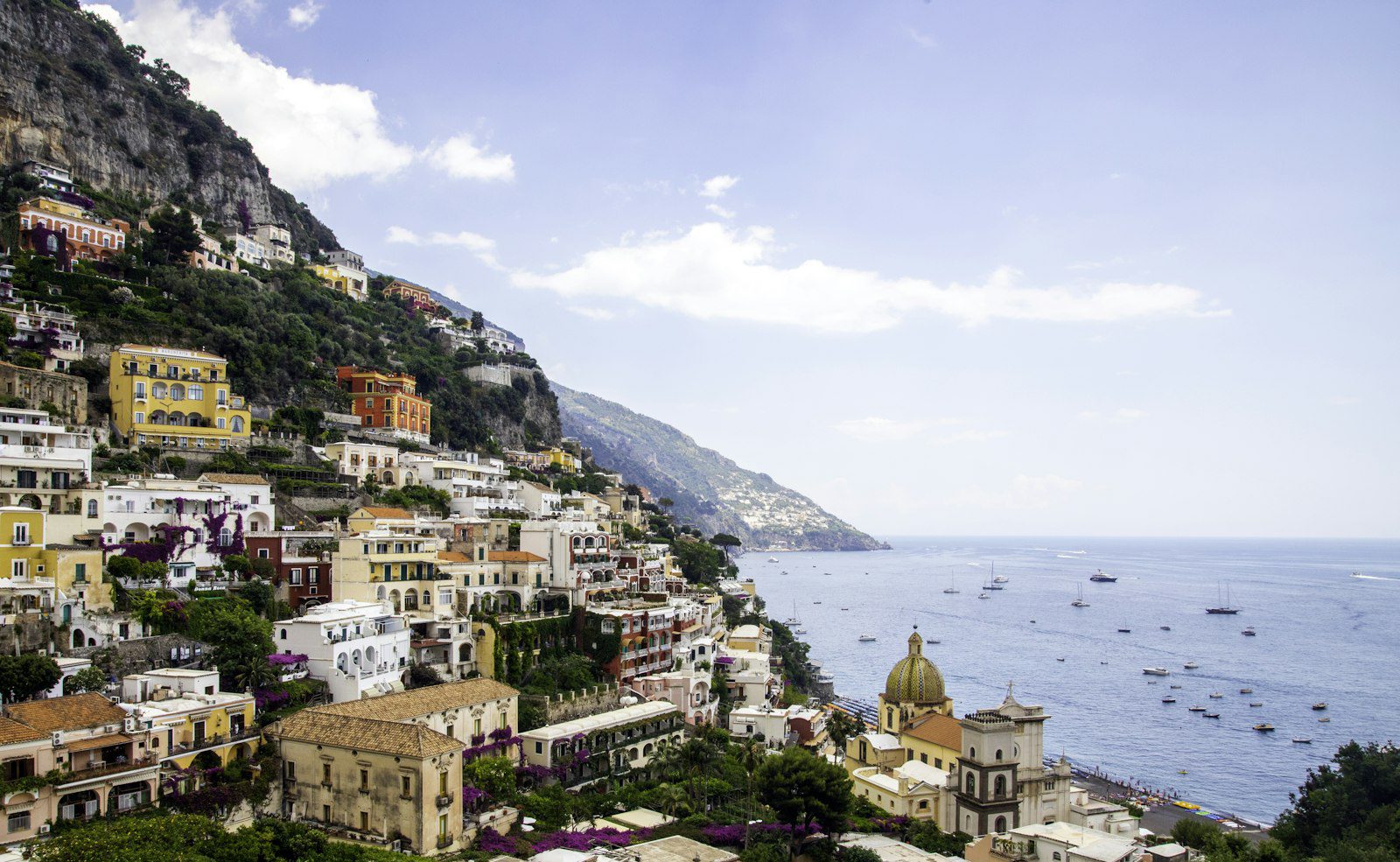
Yes. For most travelers with flexible dates, it’s the best balance of weather, crowds, and price. Here’s what changes once summer ends:
- Fewer crowds. School is back in session across much of Europe and the U.S., so the big sights get noticeably calmer.
- Better temperatures. Southern Europe can be very hot in July and August, and air conditioning is not a given. September is usually much more comfortable for walking all day.
- Softer pricing. Many hotels drop from peak rates once summer ends, especially by October.
- Harvest season. Markets are full, food festivals pop up, and the countryside looks its best.
September vs. October in Europe: Which Is Better?

| Month | Best for | Watch out for |
|---|---|---|
| September | Beaches and the Mediterranean, long days, warm water | Early September can still feel like summer in popular spots |
| Early October | Cities, countryside, fall color, comfortable walking | Cooler evenings, so pack layers |
| Late October | Lowest crowds and rates | Shorter days, more rain, some seasonal closures in beach towns |
Here’s what we’d tell one of our own clients: if the Greek islands or the Amalfi Coast are on your list, go in September. If it’s cities like Paris, Vienna, or Prague, early October is wonderful.
Are River Cruises Good in the Fall?

Yes, and they aren’t just for retirees, whatever their reputation says. Picture biking through a village in the morning, wandering a market in the afternoon, and waking up somewhere new without repacking your suitcase.
Great fit for: couples, friend trips, and families with older kids who want to see a lot of Europe without the logistics. Honest trade-off: the pace is slower on purpose, and fall river levels can occasionally affect itineraries, which is one more reason to have travel insurance.
Does the Fanciest Hotel Make the Best Trip?
Not always. A rooftop pool and a marble lobby are gorgeous, but neither automatically makes a hotel right for your trip. In Europe especially, location often matters more than amenities.
Sometimes the better pick is a smaller property in a great neighborhood, or spending a little less on the room so you can splurge on a private guide or a cooking class you’ll talk about for years. We care much more about the right hotel for you than the one with the fanciest lobby.
What to Know Before Booking a Fall Europe Trip
- Book early anyway. Fall is no secret, and the best small hotels and river cruise cabins still fill up.
- Pack layers. A warm afternoon can turn into a chilly evening, especially in October.
- Check entry requirements. The EU’s new ETIAS travel authorization for visa-exempt travelers, including Americans, is expected to begin in late 2026. Check the official site before you travel.
- Plan for shorter days. Start sightseeing earlier and save museums or a long dinner for after dark.
Frequently Asked Questions
What is the best month to visit Europe?
For most travelers with flexible dates, September is hard to beat, with late May a close second. Both offer long days, good weather, and fewer crowds than July.
Is Europe cheaper in the fall?
Often, yes. Hotel rates usually come down from summer peaks, especially in October, though popular cities and events can still price high.
Is it too cold to visit Europe in October?
Not usually. Southern Europe is often mild and pleasant, while northern and central Europe gets cooler, so layers and a light jacket are enough for most trips.
Can families visit Europe in the fall?
Yes, especially families who can use a fall break. A week in one or two cities works beautifully in October.
Planning Your Trip to Europe in the Fall
Would we ever send you to Europe in July? Of course. But if your dates are flexible, Europe in the fall gets our vote: calmer sights, comfortable weather, and a trip that feels more like the one you pictured.
Still deciding on dates? Our guide to making the most of your PTO can help you line them up. When you’re ready, tell us when you’re thinking of going and we’ll tell you what the calendar really looks like.

Kristin founded Bright Life Travel Co. after discovering firsthand how overwhelming travel planning can become for busy families. What started as a passion for travel quickly grew into a mission: helping families, couples, and groups enjoy incredible vacations without spending countless hours researching every detail themselves.
Today, Kristin leads a team of travel advisors who share her commitment to professionalism, integrity, and personalized service. Together, they help clients create vacations that feel seamless, meaningful, and worth every dollar invested.
As a mom of four and an avid traveler herself, Kristin knows that the best trips aren’t just about where you go—they’re about creating memories with the people you love most.