
The short version: “Is it safe to travel there?” rarely has a yes or no answer. Start with the U.S. State Department’s travel advisory, then look at the specific region you’ll visit, how you’ll get around, and your own comfort level. Advisories can differ a lot from one region of a country to another, so where you stay and what you do matter as much as the country name.
We get a lot of questions every day, but “is it safe to travel there?” is the one that’s hardest to answer in a sentence. Between the news and a social feed that never sleeps, it’s easy to feel uneasy about a destination, hurricane season, or about a million other things.
We can’t promise anyone that a place is 100% safe. Nobody honestly can. What we can do is show you how we think it through, so you’re not making a big decision based on one scary headline or a Facebook comment from 2019.
How Do You Know If It’s Safe to Travel to a Destination?
Look at four things together: the official advisory, the specific area you’re visiting, how you’ll travel once you’re there, and how comfortable you feel. Any one of those on its own gives you an incomplete picture.
What Do the State Department Travel Advisory Levels Mean?
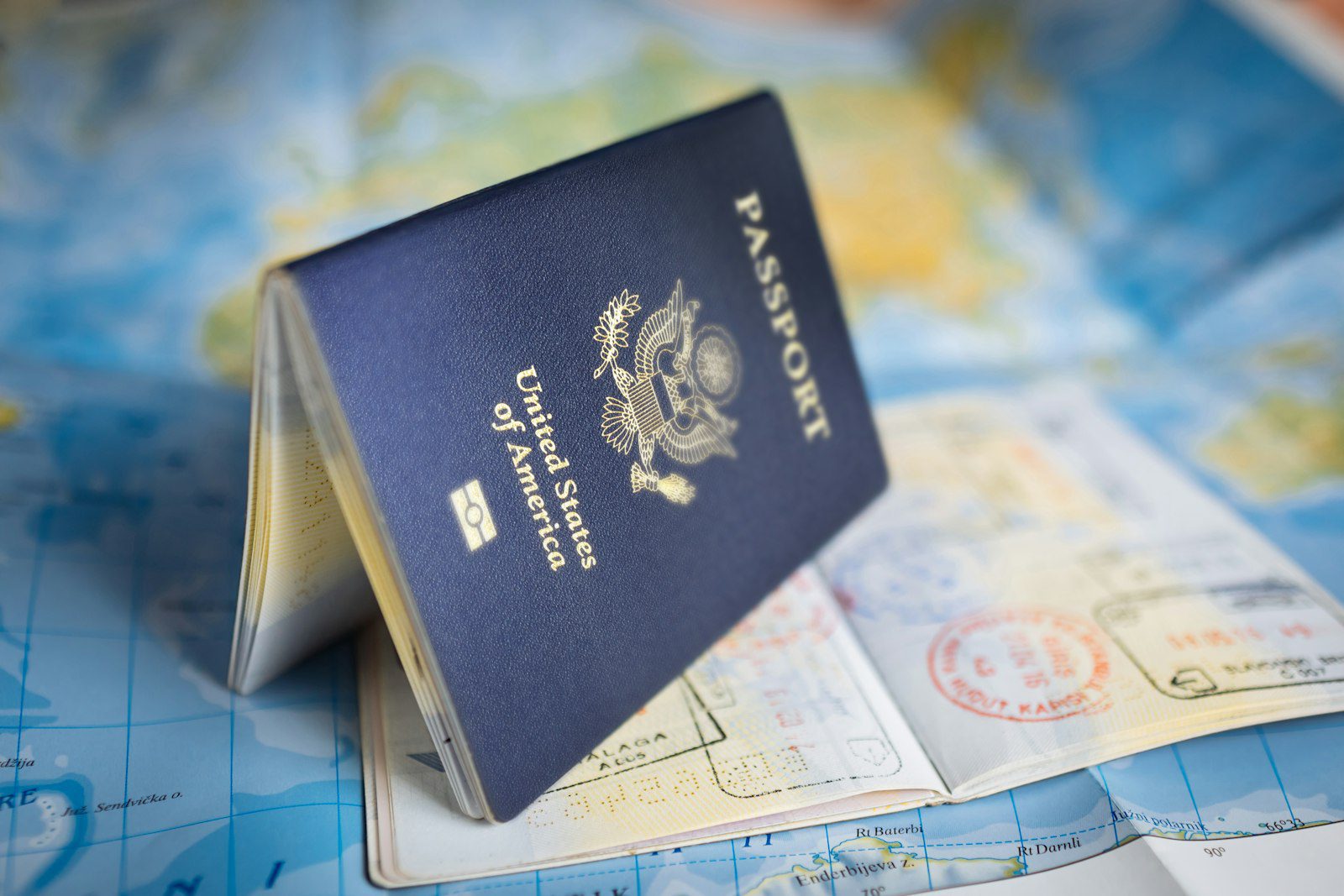
The U.S. State Department travel advisories use four levels:
| Level | What it says | What it usually means for planning |
|---|---|---|
| Level 1 | Exercise Normal Precautions | Use the same common sense you would anywhere |
| Level 2 | Exercise Increased Caution | Read the specific risks listed and plan around them |
| Level 3 | Reconsider Travel | Talk it through seriously and check your insurance coverage |
| Level 4 | Do Not Travel | We will not plan leisure travel there |
Something many travelers don’t realize: plenty of popular destinations, including countries in Western Europe, sit at Level 2. The level is a starting point. The details underneath it are what actually help you decide.
Why Does the Specific Region Matter So Much?
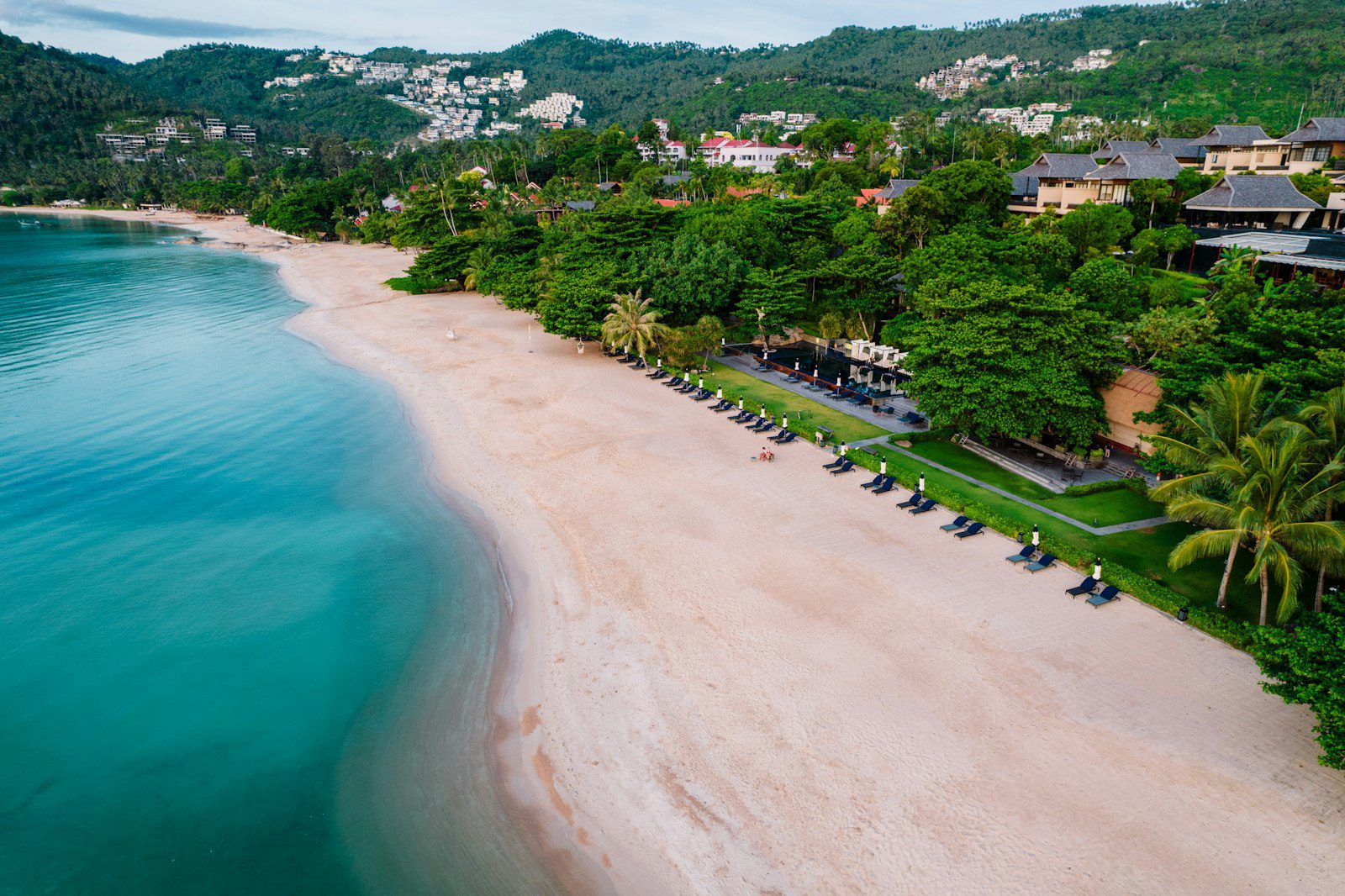
Because a country isn’t one uniform place. Mexico is the clearest example. The State Department assigns advisory levels state by state, so the guidance for a resort area can look very different from the guidance for another part of the country.
So instead of asking “is Mexico safe?”, the better questions are: where are you staying, which areas will you visit, and is there anywhere travelers are being told to skip? That’s the information that actually changes a plan.
Does How You Travel Change the Risk?
Yes, a lot. Staying at a resort with private airport transfers is a very different trip from renting a car and driving unfamiliar roads at night. The destination is one piece of the puzzle. How you get around once you’re there is the other.
Here’s what we’d tell one of our own clients: pre-arranged transfers, reputable tour operators, and a hotel in a well-traveled area take a lot of uncertainty off the table, and they’re worth building into the budget.
What If You Still Feel Uneasy?
Then that’s real information too. Two people can read the same advisory and land in completely different places, and both are okay. A trip where you’re worried the whole time isn’t much of a vacation.
We’re travel advisors, which means we advise and you decide. If a destination doesn’t sit right, we’ll happily suggest somewhere with a similar feel that you’ll be more relaxed about.
Simple Steps Before Any International Trip
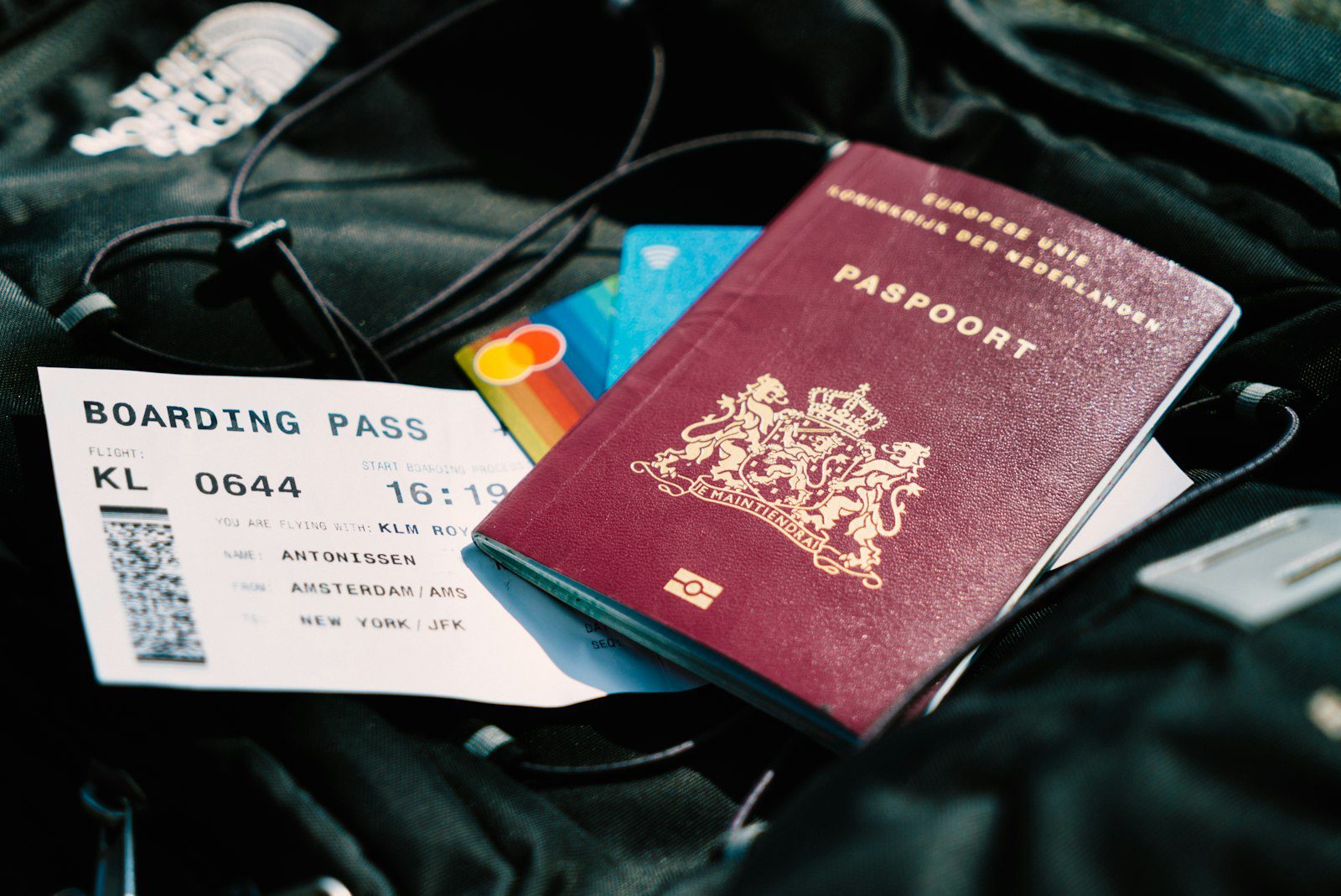
- Read the full advisory for your destination, not just the level.
- Enroll in the State Department’s free Smart Traveler Enrollment Program (STEP) so you get alerts and the embassy knows you’re there.
- Buy travel insurance and read what it covers, including medical care and evacuation.
- Share your itinerary with someone at home.
- Check your passport requirements well before you go.
Frequently Asked Questions
Can I travel to a country with a Level 2 advisory?
Yes. Level 2 means exercise increased caution, and many popular destinations carry it. Read the specific risks listed and plan around them.
Does travel insurance cover a destination with an advisory?
It depends on the policy and when the advisory was issued. Some policies limit coverage for Level 4 destinations, so always read the fine print or ask your advisor before you buy.
How often do travel advisories change?
The State Department reviews advisories regularly and updates them when conditions change. Check again shortly before you travel, not just when you book.
Is it safe to travel during hurricane season?
Many trips during hurricane season go beautifully, and rates can be excellent. Travel insurance and a clear plan for what happens if a storm forms are a must.
So, Is It Safe to Travel There?
Whether it’s safe to travel somewhere comes down to good information and an honest gut check, not a headline. Read the advisory, look at the region, plan how you’ll get around, and listen to your comfort level.
Have a destination on your list that you’re unsure about? Tell us where and we’ll walk through it with you and point you to the resources we trust.

Kristin founded Bright Life Travel Co. after discovering firsthand how overwhelming travel planning can become for busy families. What started as a passion for travel quickly grew into a mission: helping families, couples, and groups enjoy incredible vacations without spending countless hours researching every detail themselves.
Today, Kristin leads a team of travel advisors who share her commitment to professionalism, integrity, and personalized service. Together, they help clients create vacations that feel seamless, meaningful, and worth every dollar invested.
As a mom of four and an avid traveler herself, Kristin knows that the best trips aren’t just about where you go—they’re about creating memories with the people you love most.